In a time of situationships and hellscape-like dating apps, many have chosen to admire from afar. This has led to the rise of a third evil option in the realm of dating—yearning.
Yearning is categorized as a sort of state of being; a strong longing for another. In a way, it’s turned into an archetype online. A common phrase that can be heard amongst the youth is “there’s no real yearners anymore.”
The archetype associated with yearners is as dramatic as it sounds; someone who feels too deeply and perhaps dabbles in prose or music. Though, truly anyone can fall victim to the vicious cycle of obsessively longing for someone.
Now at this point you may be wondering what on earth yearning even entails. Truthfully, there doesn’t seem to be a set definition or parameter for it.
Online, it’s often associated with music artists such as Jeff Buckley, The Marias, Laufey, and many more. These artists are known for their melancholic songs depicting a tumultuous or bittersweet form of love. Jeff Buckley in particular has become one of the most notable faces of yearning.
The best way I could describe yearner music is it’s the type of music that you play after a breakup except you still want the person—imagine “The Notebook” as a genre of music.
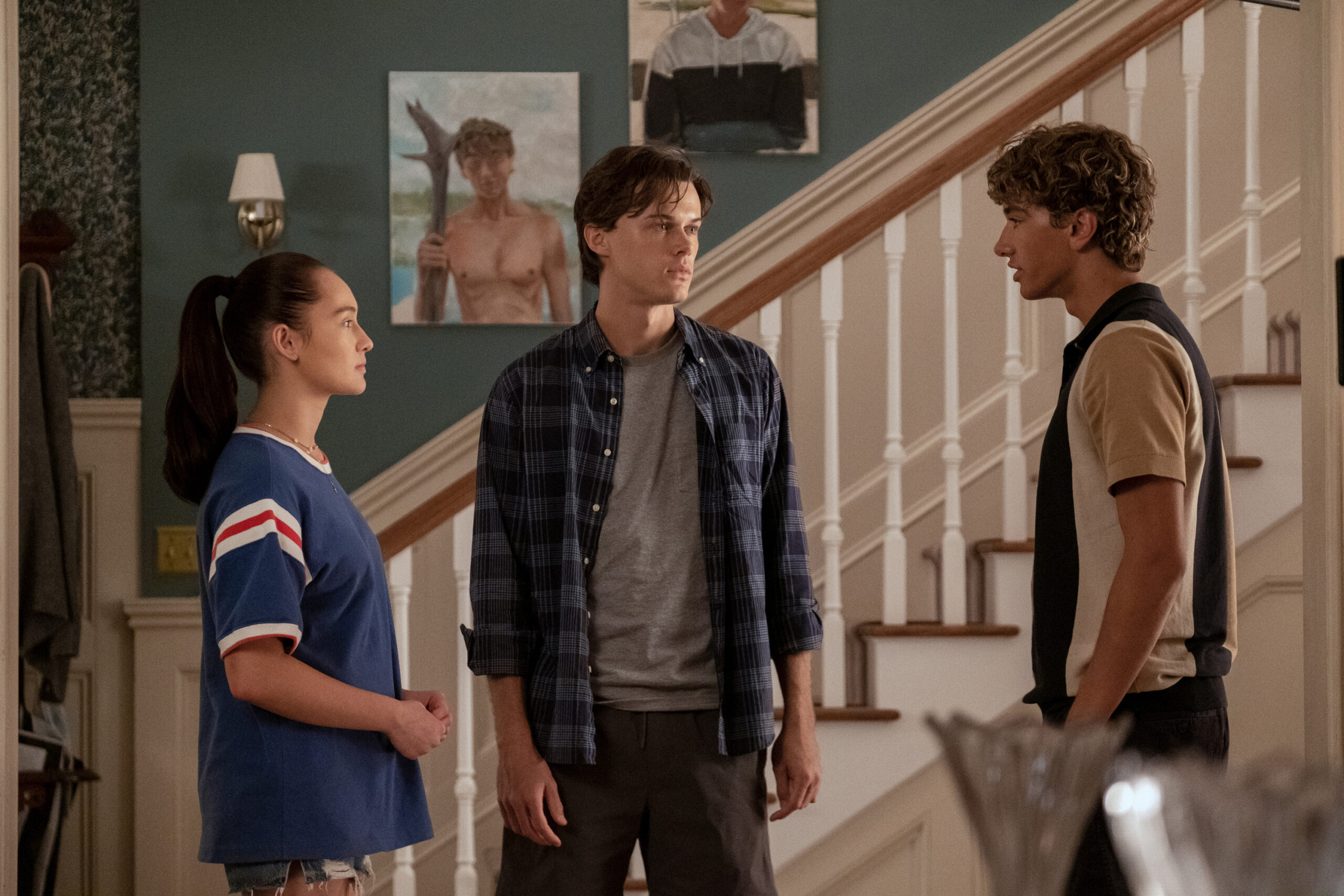
This music often coincides with “edits” of movies, television shows, or even other forms of media. Most recently, the show “The Summer I Turned Pretty” has become the star of these edits.
Often these edits are clips put together of the love interest staring longingly at the main character with Jeff Buckley blaring in the background. Other times it can depict the darker side of yearning, like the forbidden love between Anthony Bridgerton and Kate Sharma in “Bridgerton.”
I’ve found the essence of yearning revolves around a love so profound it shakes you to your core; the type of love you see in romance books that circulate on TikTok. Except, this doesn’t really translate into reality.
In real life, yearning is more of an anxiety inducing pit of tragedy; It reflects the current dating scene perfectly.
People are so afraid of deep connection and communication that they’d rather sit and long from afar. It’s a wicked cycle to be caught in, at least according to “true” yearners.
Many detail the anguish and heartbreak that goes along with yearning for someone, often describing it as a fast lane to self-destruction. Yearning often coincides with obsession and idealization which can quickly become all-consuming if not handled carefully.
It ties into the ever despised and feared world of situationships perfectly. Situationships are the perfect recipe for yearning. It’s a tug of war of a “will they, won’t they” that can spiral into becoming attached to the concept of a relationship with a shaky foundation.
It is unsurprising that yearning has become so popular to the point of being romanticized, though. On the surface it sounds desirable, especially to young girls online.
Going back to the media aspect of it, a greater reason for yearning’s immense popularity is because of the male love interests that serve as the backbone of it. Whether it’s Conrad from “The Summer I Turned Pretty” or Noah Calhoun in “The Notebook,” the youth long to feel it is possible for someone like them to exist (for them).
Few truly enjoy being trapped in a situationship; they want to feel like they’re worth the effort of a “slow-burn” romance. Instead most are playing a game of who is the most avoidant/anxious.
In this sense, the concept of yearning online is more of a safe idealistic world for those afraid that nobody could ever desire them so ardently. It’s easier to delve into a world of fiction and silly instagram posts than face the reality of dating.
I find its presence online almost resembling that of “aesthetics,” especially on Instagram. Many posts related to yearning on the platform include simple posts with text on a background while others can be complex reels.
I noted many of the posts regarding yearning on instagram focus on the darker aspects of it rather than the idealized romance on tiktok. Most speak to people’s feelings and/or experiences, as well as allude how it is quite detrimental to the psyche.
Of course, there’s also a multitude of posts that lean into the humor of it all in true Gen-Z fashion.
Looking at it broadly, yearning isn’t necessarily a bad thing. For most it’s another silly fad that’s likely a repackaged version or relabeled version of some other concept.
It is certainly an interesting reflection of our society and how we perceive romance and love. It makes you wonder what other trends will follow as we continue to progress.