
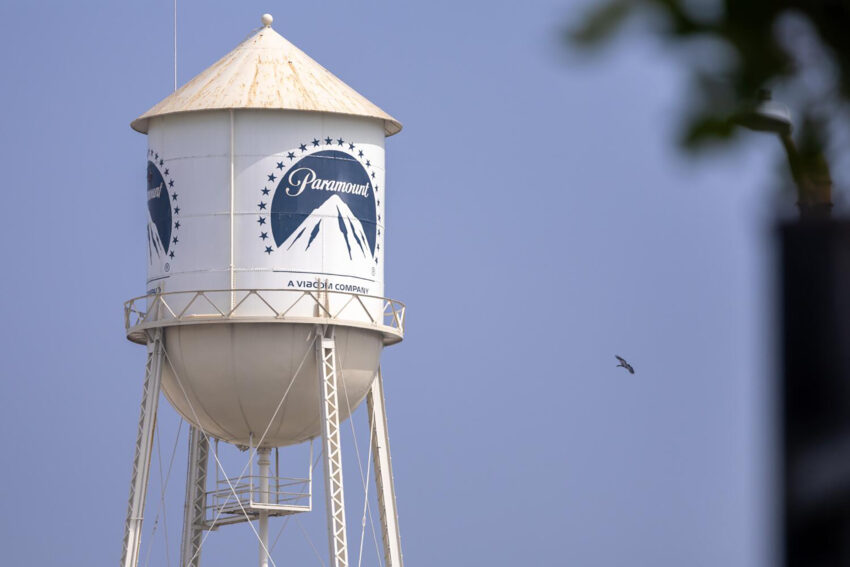
Paramount Pictures studio lot on Melrose Avenue on June 5, 2024, in Hollywood. (Brian van der Brug/Los Angeles Times/TNS)
Over the past few years, the entertainment industry has seen a wave of acquisitions. From Amazon acquiring MGM Studios to The Walt Disney Company acquiring Hulu, this trend has become the new norm in the entertainment industry.
On February 27, Paramount Global announced a potential acquisition of Warner Bros. Discovery.
If this merger does go through, then it would mark the most significant acquisition in entertainment history.
Paramount would acquire many studios and franchises such as DC Studios, New Line Cinema, Looney Tunes, Harry Potter, and Game of Thrones.
This would give Paramount jurisdiction of beloved franchises but also of two broadcasting networks, as it owns CBS and CNN.
This potential merger should concern consumers.
This merger will be detrimental to the entertainment industry by limiting competition and promoting less innovative ideas. Franchises would be Paramount’s sole focus.
At first glance, you may think this can be beneficial for Warner Bros. as they can keep running operations and still put out more films like “Weapons” and “Mickey 17.”
This merger would be beneficial in the short term, but it will only appeal to people who just want sequels rather than new ideas.
In 2024, the industry saw major blockbuster hits such as “Deadpool and Wolverine”, “Inside Out 2”, “Dune Part Two”, and “Moana 2”, which were the highest-grossing films of that year, and all were sequels.
Recently, Paramount has been taking fewer risks with bringing out new ideas onto the big screen and has focused more on its blockbuster hits.
They have pushed out more franchise films such as “Sonic the Hedgehog”, “Top Gun,” and “A Quiet Place.” This will benefit Paramount in the short term as they focus on recognizable franchises where they know profit is guaranteed.
The push for “Rush Hour 4” is one case to highlight.
With “Rush Hour 4”, this particular case caught my eye as Donald Trump has advocated for this film to get made. This led me to think about what this says about how Paramount operates.
If powerful public figures like Trump advocate for what they want to see in the entertainment industry, does this mean we will see fewer original ideas from Paramount and Warner Bros?
This raises many concerns for me as a film lover. Now more than ever, we need to see the industry support more original films from visionaries within their studios.
Some people within the industry are also concerned about this merger, as an open letter was created opposing this merger. In this letter, they call out the merger, saying it will lead to fewer jobs for creators and overall reduce competition.
Thousands of actors, producers, writers, and directors have signed the “Block The Merger” petition, including names such as Mark Ruffalo, Elliot Page, and David Fincher.
With the overwhelming number of people in the industry who have signed onto this letter, this should help you understand that this concern has affected the industry.
Audiences want to see original projects, as seen with “Sinners.”
Last year, Warner Bros. released “Sinners”, directed by Ryan Coogler, which is a new, innovative idea that had major success both critically and commercially.
Audiences proved that they still want to see original films in theaters with the movie making $370 million dollars worldwide.
Later this year, Warner Bros. is set to release more original projects like “Diggers.”
Warner Bros is still highly interested in putting out original ideas with creative directors behind them.
This level of risk-taking is at jeopardy with the Paramount merger. I can see the studio limiting new ideas from innovative directors.
Original projects at Warner Bros. are some of the strongest performing films in the industry, and it would be a tragedy to lose them.
When we see fewer original films from Warner Bros with this merger, we would see resources being spent on franchises.
The level of original ideas being distributed by Warner Bros. is something I want to see preserved, but with how Paramount is handling their own distributions, I believe it won’t be likely.
With a few studios left that haven’t been acquired yet, such as Universal, Sony Pictures Entertainment, and Walt Disney Studios, the consequences of this merger will have detrimental effects that will reshape Hollywood.
The future of original entertainment is at risk. With an overreliance on sequels and franchises, this merger would make cinema more formulaic than innovative. This is why this merger should not be underestimated and why it should be opposed.
About Post Author
