
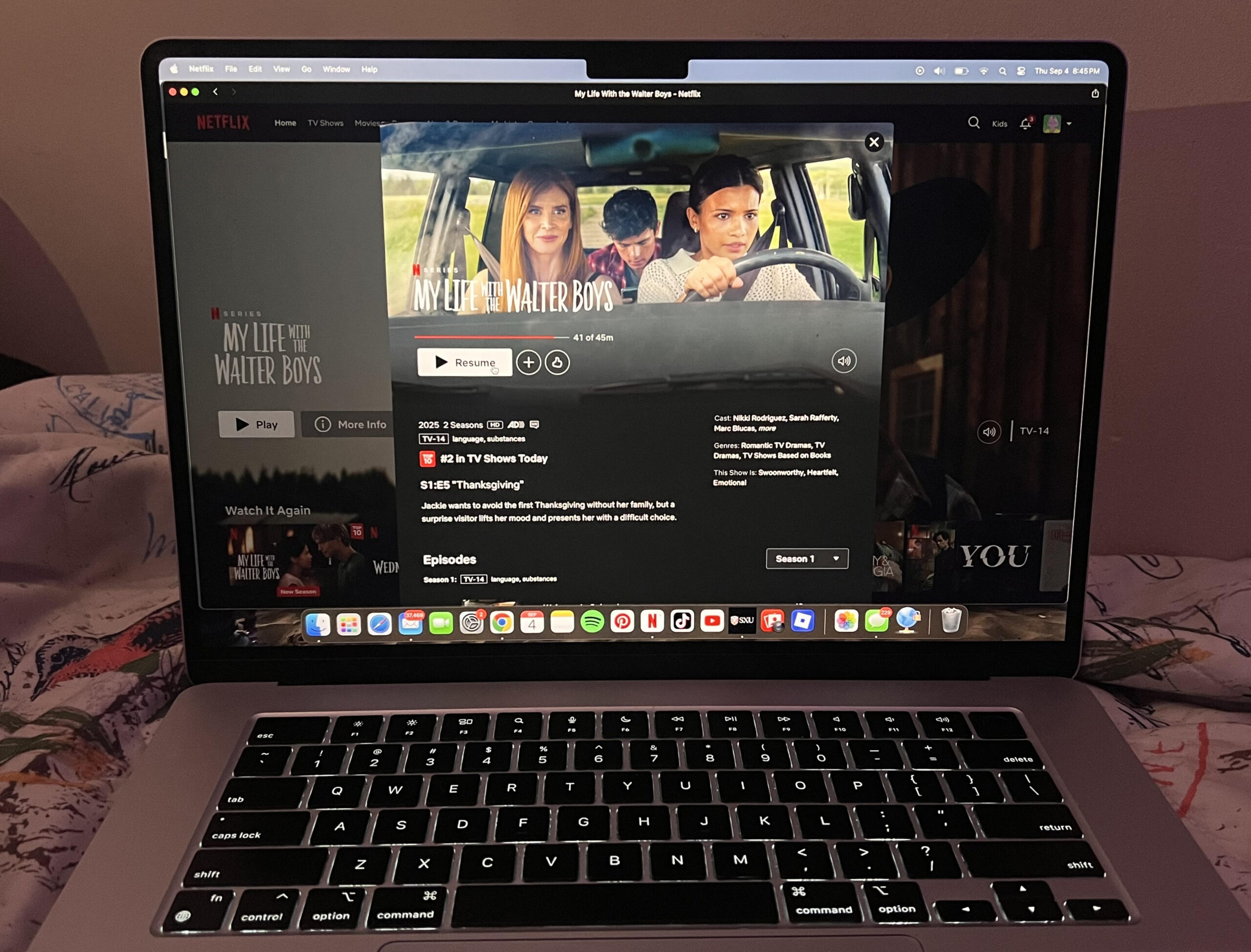
Binging the newest season drop of a series is definitely enjoyable, but it’s taking away from engagement. The buzz of the episode’s cliff hanger, what the next one has in store, are all factors we are missing out on.
Netflix is known for dropping an entire season at once for its series. It’s no lie that this is bringing them huge audiences and views–because there’s no wait.
I’ve enjoyed staying up all night and watching series like Stranger Things. From one episode to another, I didn’t have to wait for the next. I didn’t need to worry about being left on a cliff hanger.
Having the whole season at the palm of my hands was a privilege I didn’t understand. Far too many people don’t realize that television wasn’t made to be watched in that way.
My mom always told me how lucky we have it with platforms like Netflix. She had to wait each week to tune in for the next episode of her favorite show. Sometimes even having to pre-record them if she was going to miss it.
When I came across shows that had weekly drops, of course I had an annoyance for them. I didn’t understand why production would choose to wait when they had all the episodes ready for people to view.
However, when ‘Euphoria’ was released on HBO, the hype and community that it formed was something new that I noticed. Since there were weekly-drops, it allowed for people to talk about the show for weeks on end.
Yet, shows that drop in one day don’t get the same love. The hype dies down by the end of the week and people go on to the next piece of media they can find.
With “Euphoria”, fans would rush to TikTok after an episode release and buzz about what we all saw. They would take turns hashing out opinions on characters and plots.
There was large discussion about character development and potential events that could happen. People would theorize about what the season could have in store.
This kind of engagement is exactly how media should be enjoyed and taken in because audiences are giving a greater appreciation. They are noticing the small details, breaking down the writing of the show.
The writers’ and production’s work is being noticed more thoroughly when people are only given one episode to dissect. This same process is happening to the Amazon Prime Video series “The Summer I Turned Pretty.”
Episodes for Season 3 of “The Summer I Turned Pretty” began releasing in June and will conclude in September. The hype has been continuous and growing, allowing for new fans to come in and join the fun.
When a show is in the spotlight for so long, it’s a better opportunity for more people to tap in and easier for people to join and watch while being caught up like everyone else. It’s a good marketing choice at the end of the day.
Additionally, I’ve noticed the use of media literacy being at an all time high during the release of this show. There was more analytical commentary about director Jenny Han’s choices within episode scenes.
Specifically, she spoke in an interview with Entertainment Weekly about her decision to center one of the episodes as one the male interest’s perspective
For example, fans point out the usage of certain songs in a scene and how it correlates to the relationship between two characters. They even magnified the significance of specific colors worn by characters and what it’s meant to represent.
This show is also known for its tiny Easter eggs placed by the director. People were more likely to find them when they were only watching one episode at a time.
Again, this type of engagement encourages viewers to take into consideration the effort used to create details and symbolism in the show. Like any form of art, it’s meant to be observed and analyzed. There is meaning behind everything and the crew makes decisions with purpose.
The production of a show takes months to happen, and with full-season drops, it’s so easy for hard work to go unnoticed. It’s more likely for a small yet important scene to be overlooked.
I believe that looking past just the surface level of what’s happening and taking an effort to understand why certain things are the case. is an important part in appreciating the small details of a show.
Of course there are still people out there who do put in the extra effort to analyze a whole season’s worth of episodes, but most of the time people are just looking forward to getting to the next episode. Many aren’t sitting with what they just watched.
I’d like to believe that the purpose behind any kind of media is so that you walk away with a lesson–with an impactful story. Like movies, TV shows are also meant to be analyzed for a deeper meaning.
With weekly episode drops, there is a better chance of viewers sitting with an episode and taking the time to figure out its purpose. They can dig into what the director was aiming to tell in those 45 minutes.
There are so many more opportunities for shows to thrive, for them to gain community, and be more appreciated.
Television isn’t meant to be devoured so quickly–rather,
it should be savored.
About Post Author
